Most sellers post a clean photo of the item and wait. The ones actually converting are using AI to show the customer their problem getting solved — before price ever comes up.
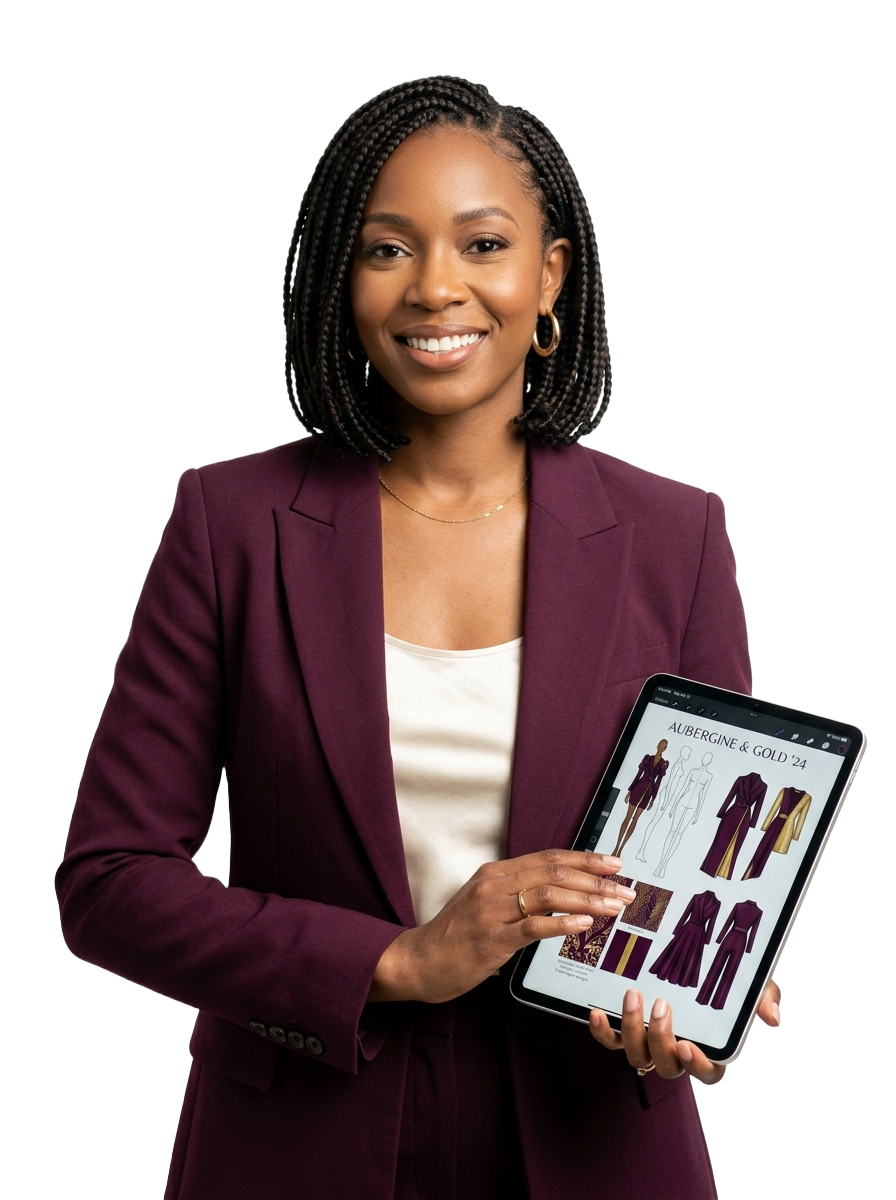
Good lighting. A decent caption. The piece is nice. People like it, maybe. But it doesn't move — and the instinct is to blame the price, drop it, and hope the next post does better.
Here's the part that's easy to miss: it's usually not the piece, and it's not the price either. It's that you're showing people what you sell instead of why they need it. One is a product photo. The other is a reason to buy today.
The brands winning right now don't necessarily have the best products — they're just better at making people want them. That comes down to one shift: build the content around the problem your customer already has, then let your product be the answer.
Same framework whether you're moving fabric, ready-to-wear, two-piece sets, shirts, skirts, or accessories. Only the item in front of the camera changes.
Here is the exact shift, side by side. Static photos inform; living AI editorial videos convert.
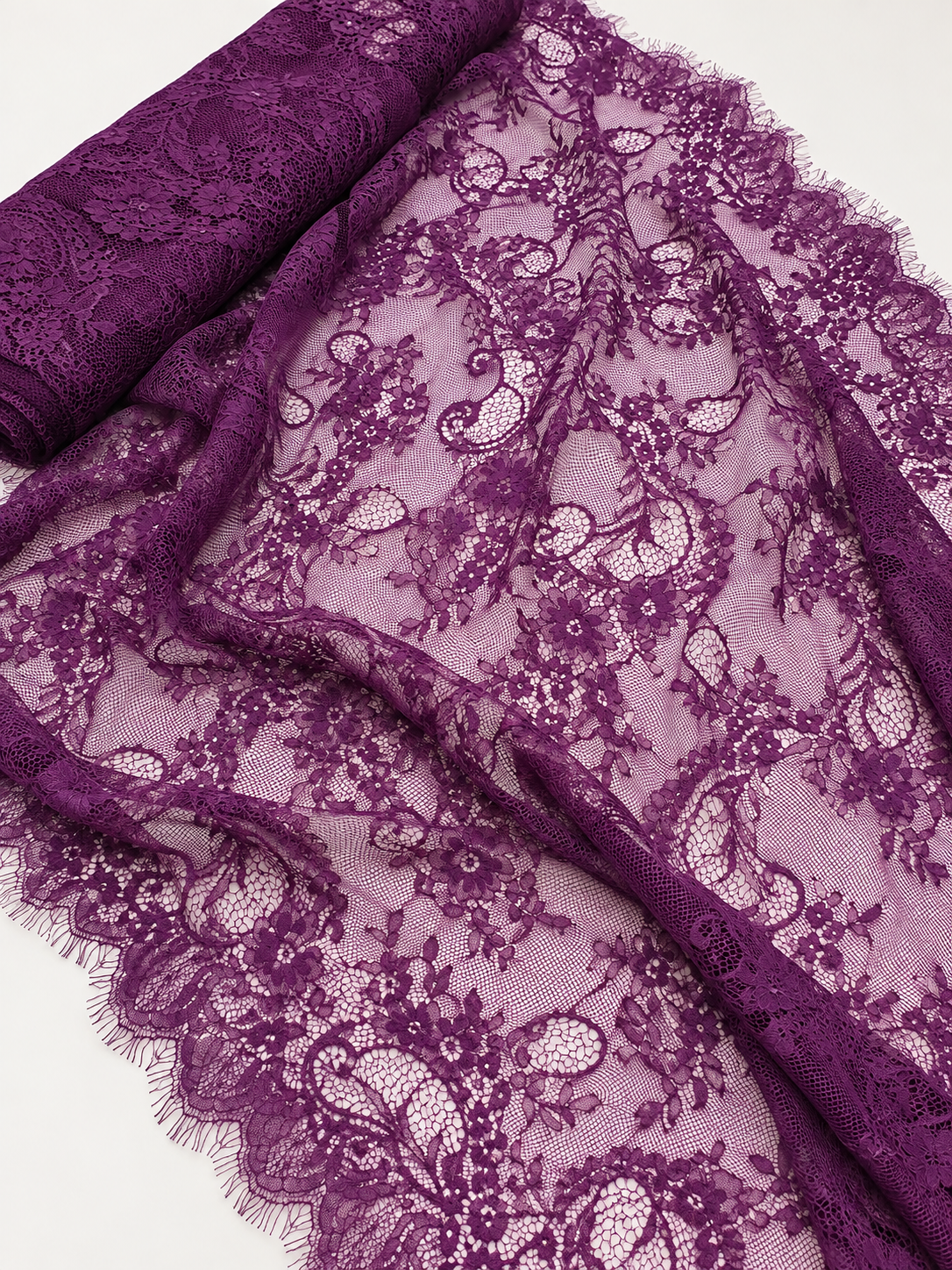
A still shot of delicate lace fabric. Customers can't feel the weight, drape, or how the intricate sheer texture catches the light.
“Will this lace feel stiff, cheap, or ill-fitting in person?”
High-fashion camera movement showcasing the ethereal lace texture, sheer silhouette, and cinematic lighting that commands luxury pricing.
“The elegance and drape look breathtaking. This feels like luxury Paris couture.”
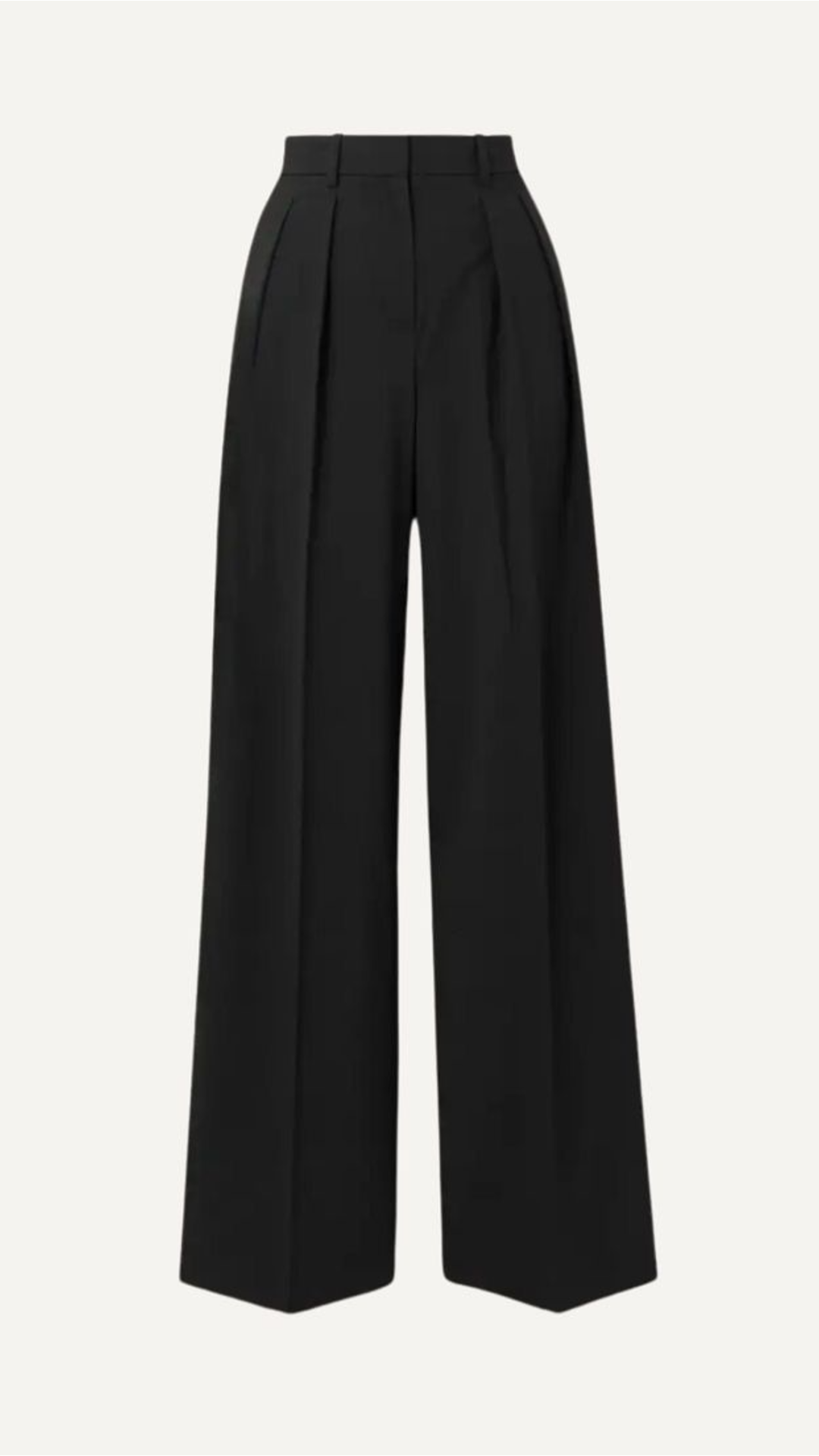
A clean flat-lay of the pants. Good lighting, but zero movement, zero drape, zero emotion. The shopper sees fabric, not an experience.
“Do I really need another pair of pants?”
A styled model in fluid motion. The customer instantly sees the tailoring, the waist fit, and how the pants stride through real life.
“Wait — this looks incredible in motion. I need this exact fit.”
Everything you need to stop begging for sales and start generating real customer demand.
The problem-solution framework, so you know what story to tell before you touch an AI tool.
Exactly which AI tools to use — no guessing, no wasted subscriptions.
What to actually tell the AI to get results that look like a person, not "an AI picture".
The full workflow — one product photo in, multiple ready-to-post scenarios out.
How to build a new look or setting for every promotion, without booking a single photoshoot.
Practice drills so you get faster and sharper with every piece you create.
You don't need to be an AI expert. You need to know which tools to use, what to tell them, and the order to do things in — that's it. Most people understand the full process in about an hour. Getting fast at it is just reps, same as anything else you've gotten good at.
Delivered instantly. Learn at your own pace.
One-time payment. No large audience or tech background required.
Everything you need to know before joining.
Yes. The framework is the problem-solution positioning — fabric, ready-to-wear, dresses, two-piece sets, shirts, skirts, and accessories all use the same approach. Only the item changes.
No. You need a product photo you already have and about an hour to learn the workflow.
The goal was never pretty AI pictures — it's content that makes your customer picture herself with the product and understand why she needs it. That's what the workflow is built around.
You can understand the process in about an hour or less. Like anything, practice is what makes you faster and better at it.